45 how to read organic food labels
Understanding the USDA Organic Label Organic is a labeling term found on products that have been produced using cultural, biological, and mechanical practices that support the cycling of on-farm resources, promote ecological balance, and conserve biodiversity. What Food Labels Mean—and Don't - Consumer Reports Processed foods labeled "organic" also cannot contain artificial ingredients unless they go through a rigorous review process, and have no artificial preservatives, colors, or flavors. Natural ...
Reading Food Labels: Natural vs. Organic There are different levels of "organic" that manufacturers of food packages can claim, including: Made from organic ingredients: At least 70 percent of the ingredients must be certified organic. The packaging can state "made with organic ingredients," but cannot use the USDA organic seal. Organic: Products must contain 95 percent ...
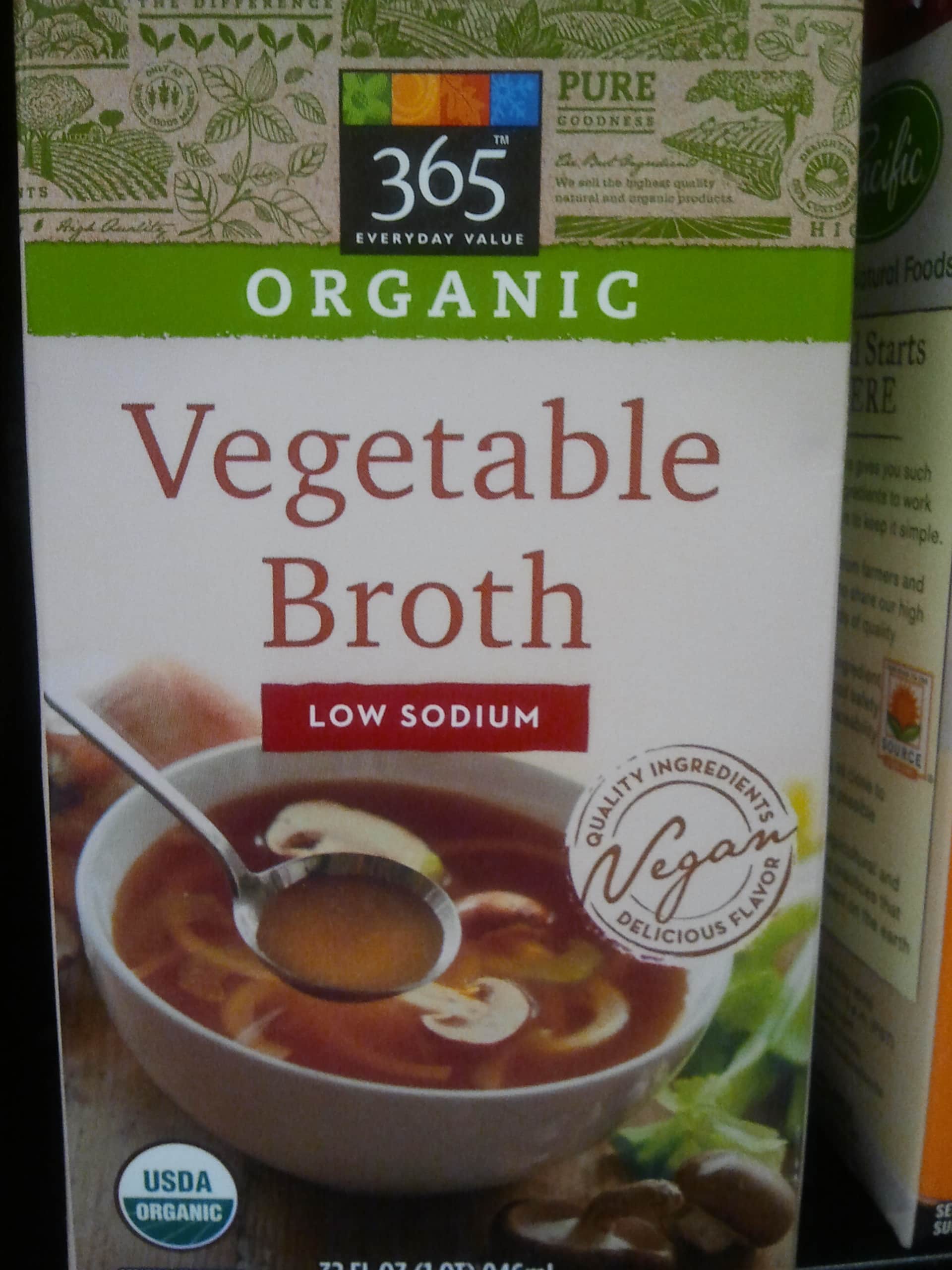
How to read organic food labels
Food Labels Explained - Farm Aid Organic labels can be found on produce, dairy, meat, processed foods, condiments and beverages. Food products labeled "organic" must contain at least 95% organic ingredients with no synthetic growth hormones, antibiotics, pesticides, biotechnology, synthetic ingredients or irradiation used in production or processing. › rules-regulations › organicThe Organic Seal | Agricultural Marketing Service Black and White Organic Seal: EPS (Encapsulated PostScript) Organic Seal Pantone Matching System (PMS) Colors. Green = PMS 348; Brown = PMS 175; NOP Regulations: Subpart D - Labels, Labeling, and Market Information. The labeling requirements of the NOP apply to raw, fresh products and processed products that contain organic agricultural ... How to Read a Food Label - WebMD Anything labeled "free" must only contain tiny amounts of the ingredient in each serving. For example, "trans-fat free" or "fat-free" products can have only 0.5 mg of trans fats or fat ...
How to read organic food labels. Certified Organic Label Guide - organic.org Making sense of organic labeling can be difficult, and many consumers do not understand the significance of the USDA Organic label. Since October 21, 2002, the following guidelines were established by the United States Department of Agriculture's (USDA) National Organic Program (NOP) to assure consumers know the exact organic content of the food they buy. Single-Ingredient Foods […] Reading Food Labels | Down to Earth Organic and Natural If you have food allergies or are serious about maintaining a vegetarian diet, it is important to know how to read food labels. The new food labeling laws will make this much easier as the 8 major food allergens will now be listed on packages. However, until all labels have made this transition, it will still be necessary to carefully read ingredients. How to Read Food Labels in 2018: A 5-Step Guide to ... - Organic Authority To help you read between the lines, here's our five-step guide to reading food labels in 2018. 1. Choose organic first. › health › how-read-food-andHow To Read Food and Beverage Labels | National Institute on ... Feb 24, 2022 · Organic. Products declared organic must be produced without conventional pesticides, synthetic fertilizers, biotechnology, or ionizing radiation. Organic animals must be fed organic feed and not be injected with hormones or antibiotics. Remember, organic foods may still have the same number of calories, fats, proteins, and carbs as a nonorganic ...
How To Read Food Labels: Life Kit : NPR Organic is the label with the most specific meaning, laid out in volumes of rules that farmers and food manufacturers have to follow if they want that "USDA Organic" seal. Some of those rules are... Diet and Nutrition: How To Read Organic Food Labels Reading organic food labels carefully is key to determining whether or not a food is indeed organic. Firstly, look for the term 'organic' on fruits and vegetables, or on the sign above organic produce displays; these labels can also appear on meat packages, egg and milk cartons, cheese and other single-ingredient organic foods. How to Read the Organic Label | Organic. It's Worth It 1. 100 Percent Organic: Products produced using exclusively organic methods, containing only organic ingredients, are allowed to carry a label declaring "100 percent organic.". 2. Organic: Products that contain at least 95% organic ingredients may use the USDA Organic label. 3. Understand Organic Labels | Organic Labeling Standards Organic poultry, meat, dairy and eggs come from animals that are not treated with growth hormones or antibiotics. Organic plant foods are grown without conventional pesticides and in safe soil - no GMO crops are allowed although cross contamination can occur. Organic produce can be identified by the number on its sticker - it will be a 5 ...
› food-grocery-2Organic Food Online | Buy Healthy Food Online at Vitacost Always read labels: Read labels even on organic packaged foods. Ideally, packaged foods will have five ingredients or less, or they will be made from all-real food without chemical additives. Products can be labeled 100 percent organic or made with a percentage of organic ingredients. A Good Guide to Reading Organic and Other Food Labels Organic produce, straight from the farm (A. L. Spangler / Shutterstock.com) LOOK INTO 'NATURAL' FOOD LABELS While the terms "natural" and "all natural" on food labels seems to imply that ingredients come straight from nature, the reality is that pretty much every substance on earth has some element of natural origins. How to Read Food Labels Without Being Tricked - Healthline A good rule of thumb is to scan the first three ingredients, as they make up the largest part of what you're eating. If the first ingredients include refined grains, a type of sugar, or... A Guide to Reading Organic Labels | Whole Foods Market Products labeled "organic" are required to contain at least 95% organic ingredients and be certified to the USDA National Organic Standards. Products labeled "made with organic X" must be certified to the USDA National Organic Standards and include at least 70% organic ingredients.
A Comparison Of Two Organic Vegetable Broths - My Whole Food Life
How To Read Food Labels - Organic, Fair Trade - Refinery29 Organic (with no mention of USDA Certified) means 95 to 99% of the ingredients are organic. 2. " Made with organic ingredients" on the front of a food package means 74 to 94% of ingredients are...

How to Read Food Labels – Nutrien Health
Don't Get Scammed! How to Read Organic Food Labels 100% Organic - This is technically the only food label option that ensures a totally organic experience. Understanding Organic Milk The organic labeling requirements for milk mostly pertain to the cows that produce it. At least 30% of the cow's diet must be grass (free-range grazing). The cows must be allowed to graze for at least 120 days.
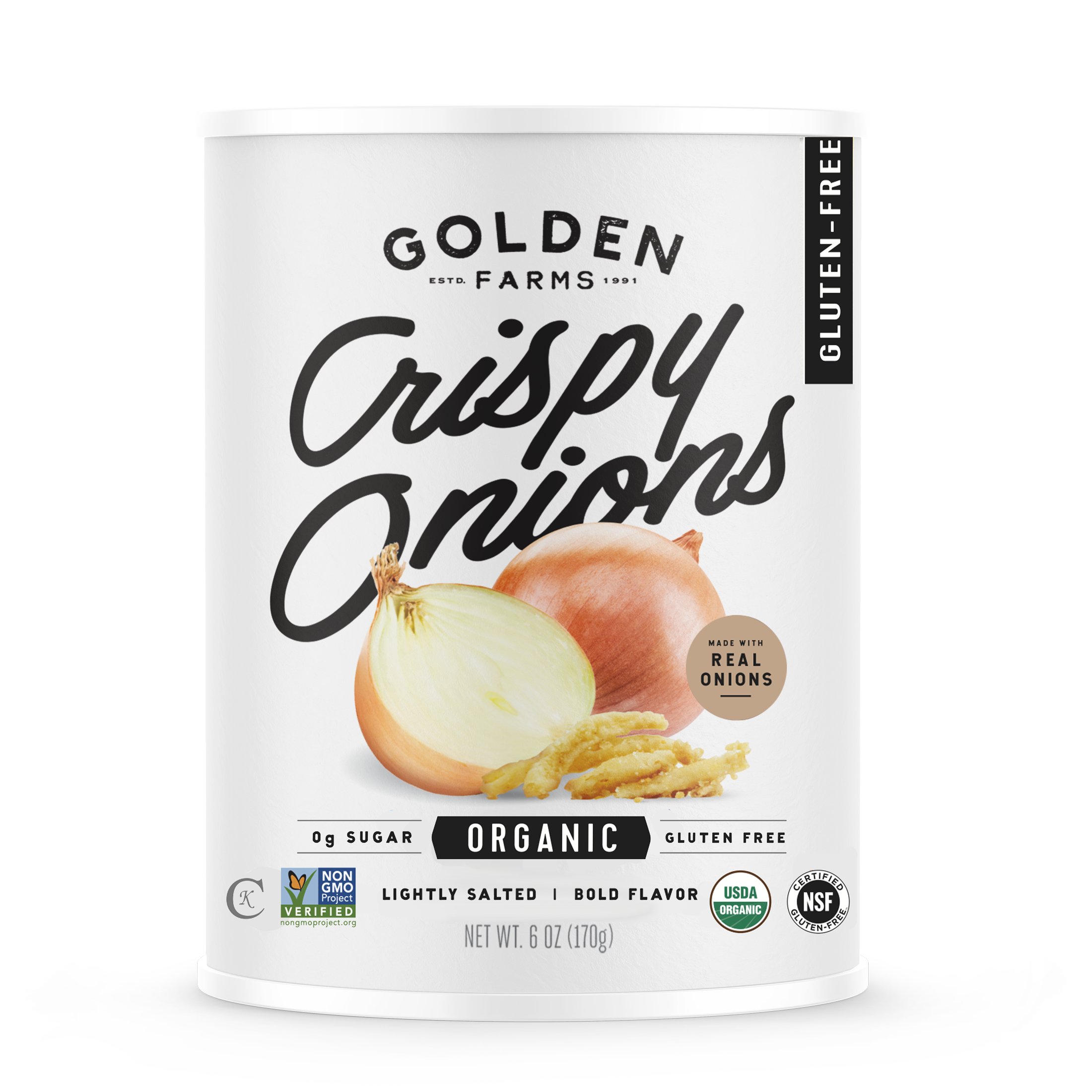
Golden Farms Organic Crispy Onions - Shop Vegetables at H-E-B
Organic on Food Labels | FDA Organic on Food Labels FDA does not regulate the use of the term "organic" on food labels. The National Organic Program (NOP) is the federal regulatory framework governing organically produced...
Aphid - Root aphid | UMass Center for Agriculture, Food and the Environment
What Does an 'Organic' Food Label Really Mean? Producers are scored on a scale of 1 to 5, and those who receive the top score have shown to go above and beyond the requirements of organic food labeling. The scorecards cover a number of food categories such as eggs, beef, poultry, dairy, cereal, and even toothpaste. Use these to see if your usual go-to brands are truly organic enough.

Knit Jones: Bathroom Reno Day #1...in pictures
en.wikipedia.org › wiki › Organic_foodOrganic food - Wikipedia These beliefs are promoted by the organic food industry, and have fueled increased demand for organic food despite higher prices and difficulty in confirming these claimed benefits scientifically. Organic labels also stimulate the consumer to view the product as having more positive nutritional value.
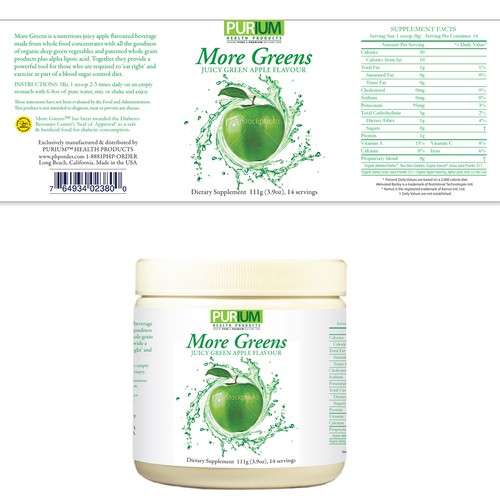
Organic Food Label | Print or packaging design contest
How to Read Food Labels - Introduction to Food Label Claims All food labels must include the following: Name of the food Net quantity of contents Name and location of the business List of ingredients if the food is comprised of more than one ingredient Nutrition Fact Label (for packaged products sold at retail)
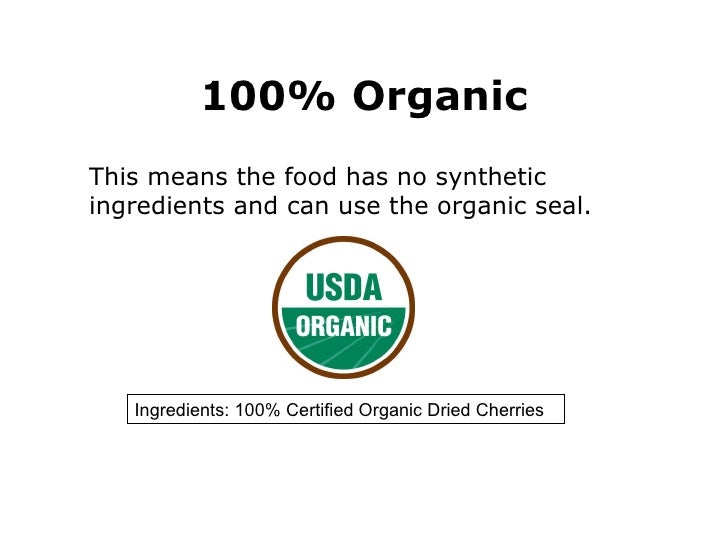
Organic food labeling
How to Read Food Labels - Live the Organic Life So here's what they look like in a picture. The long orange rectangle represents all the ingredients in the pizza (the full 100%). The colored bars on the left show you the proportion of the total pizza made up by each type of meat - ham is 5%, Pepperoni is 4%, beef is 3% and bacon is 2%. UPC Codes on Produce Do you know what it all means?

How to really Read a Food Label! | Food labels, Food, Nutrition careers
How to decode natural and organic food labels to understand what you're ... GMO free = organic and conventional. If you're unsure if a product is organic, one way to tell is by looking at the barcode on its sticker. Those that have a 5 digit code starting with 9 mean that the produce it's organic. A 4 digit code means that it's conventionally grown.

Knit Jones: Baby Shrug
How to Read Food Labels and Avoid Toxic Ingredients Lately, even the preferred organic versions of these grains also contain enriched ingredients, so be absolutely certain to check the labels and stand clear of "enriched" products! Be aware that during the processing, all of the much needed natural nutrients are unfortunately stripped out of the grain to make it appear white.

Label For Food Products | Arts - Arts
› how-to-read-a-dog-food-labelHow to Read a Dog Food Label - American Kennel Club Nov 30, 2020 · In simple terms, organic dog food is defined the same way organic human food is: No artificial preservatives, coloring, or flavoring. No antibiotics or growth hormones in meat and meat by-products.

Changes Ahead for the Pet Food Industry | HuffPost
How to read food labels when you're looking for organic, ethical, or ... The standards for the USDA organic label — which you can find on meat, eggs, and dairy — were established with the Organic Foods Production Act of 1990. Other official seals you see on food are...
Organic Food Labeling Requirements - Food Ideas
How to Decode Organic & Natural Labels - Taste For Life There are four categories of organic certifications: 100 Percent Organic The "100 percent organic" label requires that 100 percent of the product and its ingredients are, in fact, organic. This label will include the name of the certifying agent and will bear the USDA Organic Seal and/or the 100 percent organic claim. Organic

100% Natural Stickers Stock Photos - Image: 25087813
What Does an 'Organic' Food Label Really Mean? - Yahoo! Common food labels explained. While the "organic" label is the broadest label people often see on grocery store products, there are hundreds of others that also appear to make claims about how ...
How to read food labels
› rules-regulations › organicLabeling Organic Products | Agricultural Marketing Service IP: Identify organic ingredients (e.g., organic dill) or via asterisk or other mark; Specific Organic Ingredient Listings. Specific organic ingredients may be listed in the ingredient statement of products containing less than 70 percent organic contents—for example, “Ingredients: water, barley, beans, organic tomatoes, salt.”

Knit Jones: May 2010
kidshealth.org › en › teensFood Labels (for Teens) - Nemours KidsHealth Food labels provide more than just nutrition facts. They also tell you what's in a packaged food (i.e., the ingredients). People with food allergies need to check ingredient lists to avoid foods that can cause an allergic reaction. Some food labels also state which country the food came from, whether the food is organic, and certain health claims.

Eat Healthy By Learning How To Read Food Labels
How to Read a Food Label - WebMD Anything labeled "free" must only contain tiny amounts of the ingredient in each serving. For example, "trans-fat free" or "fat-free" products can have only 0.5 mg of trans fats or fat ...
Post a Comment for "45 how to read organic food labels"